
The True Cost of Owning a Home in Wilmington NC
The True Cost of Owning a Home in Wilmington NC
Buying a home in Wilmington, NC can be an exciting opportunity. You get more than a place to live—you are investing in a coastal community with access to beaches, restaurants, outdoor activities, shopping, and a growing local economy.
But the true cost of owning a home in Wilmington NC goes beyond the price you see on a real estate listing.
Your monthly mortgage payment is only one part of the equation. Property taxes, homeowners insurance, flood insurance, HOA fees, maintenance, utilities, and unexpected repairs can all affect your actual cost of homeownership.
If you are thinking about buying a home in Wilmington, understanding these expenses before you make an offer can help you create a more realistic budget.

1. Your Mortgage Payment Is Only the Starting Point
The first expense most buyers think about is the mortgage.
Your monthly mortgage payment typically includes principal and interest, but your total monthly housing payment may also include property taxes and homeowners insurance.
How much you pay depends on several factors, including:
- Purchase price
- Down payment
- Interest rate
- Loan type
- Loan term
- Property taxes
- Homeowners insurance
- Private mortgage insurance, if applicable
For example, two homes with similar purchase prices can have very different monthly costs if one has a higher HOA fee, higher insurance premium, or additional flood insurance requirements.
That's why buyers should compare the total monthly housing cost, rather than simply comparing listing prices.
2. Property Taxes Add to the Cost
Property taxes are another important part of owning a home in Wilmington.
The amount you pay depends on the property's assessed value and the applicable county and municipal tax rates.
If you are looking at homes in Wilmington, don't assume that the property taxes on one house will be identical to those on another. A property's assessed value, location, and applicable taxing jurisdictions can affect the bill.
Property taxes should be included in your homeownership budget from the beginning—not treated as an afterthought.
Before purchasing, review the property's current tax information and consider how changes in assessed value could affect your future expenses.
3. Homeowners Insurance Can Be More Important in a Coastal Area
Insurance is particularly important when buying a home in Wilmington because of its coastal location.
Homeowners insurance premiums can vary based on the property's location, age, construction, roof, claims history, coverage levels, and other factors.
A home near the coast may also have different insurance considerations than a home farther inland.
Before buying, get an insurance quote for the specific property. Don't rely on an estimate from another home or assume that your current homeowners insurance cost will be similar.
Insurance rates and coverage can change, so buyers should understand what their policy covers and what exclusions or deductibles may apply.
4. Flood Insurance May Be an Additional Cost
Flood risk is one of the biggest additional considerations for Wilmington-area homebuyers.
Being near the coast does not automatically mean every property requires flood insurance. However, flood risk can vary significantly from one property to another.
A buyer should research the property's flood zone and obtain insurance advice based on the specific address.
Even if flood insurance isn't required by your mortgage lender, you may still want to consider whether the coverage makes sense for your property.
This is particularly important for buyers relocating from inland areas who may not be familiar with coastal flood risks.
Don't assume that "not in a flood zone" means "no flood risk." Research the property carefully before purchasing.
5. HOA Fees Can Change Your Monthly Budget
Many Wilmington-area homes are located in planned communities or neighborhoods with homeowners associations.
An HOA may provide services or amenities such as:
- Community pools
- Clubhouses
- Landscaping
- Neighborhood maintenance
- Walking trails
- Recreation areas
- Community entrances
- Common-area maintenance
But these amenities come with a cost.
HOA fees can vary considerably from one community to another. Some communities may also have additional fees for amenities or special assessments.
Before buying, ask for the HOA documents and understand:
- Monthly or annual dues
- What the dues cover
- Rules and restrictions
- Pending assessments
- Transfer fees
- Rental restrictions
- Exterior modification requirements
A home with a slightly higher purchase price but lower ongoing HOA expenses could potentially have a different overall cost than a less expensive home with high HOA fees.
6. Home Maintenance Is a Real Expense
One of the biggest differences between renting and owning is responsibility for maintenance.
When you own a home, you're generally responsible for maintaining the property and paying for repairs.
Common expenses can include:
- HVAC maintenance
- Roof repairs
- Plumbing
- Electrical work
- Landscaping
- Pest control
- Appliance replacement
- Exterior maintenance
- Fencing
- Driveway repairs
In a coastal environment, homeowners may also need to pay particular attention to moisture, humidity, storms, salt air, drainage, and exterior wear.
A good rule is to keep a dedicated emergency fund for home repairs rather than assuming everything will go according to plan.
Even a relatively new home can eventually need repairs.
7. Utilities Can Vary by Home
Utilities are another ongoing cost that buyers sometimes overlook.
Your monthly expenses may include:
- Electricity
- Water
- Sewer
- Natural gas or propane, depending on the property
- Internet
- Trash services
- Lawn care
The size and age of the home, insulation, HVAC system, number of occupants, and personal usage habits can all affect monthly utility bills.
When comparing homes, ask the seller or agent whether historical utility information is available.
This can give you a better idea of what it may actually cost to operate the home.
8. Older Homes May Have Different Ownership Costs
Wilmington has a mix of newer construction and older homes.
Older homes can offer character, established landscaping, larger lots, and desirable locations.
However, they may also require more maintenance.
Depending on the home's age and condition, buyers may eventually encounter expenses involving:
- Roofs
- HVAC systems
- Windows
- Plumbing
- Electrical systems
- Foundation or structural components
- Insulation
- Appliances
That doesn't mean older homes are a bad investment.
It simply means buyers should have a thorough inspection and understand the property's condition before committing.
9. New Construction Isn't Maintenance-Free
New construction can reduce some immediate maintenance concerns, but it doesn't mean homeowners will have no expenses.
New homes can still have HOA fees, property taxes, insurance, landscaping costs, utility expenses, and routine maintenance.
Buyers should also understand what is and isn't covered by the builder's warranty.
If purchasing a newly constructed home, review the warranty documents and ask about deadlines for reporting issues.
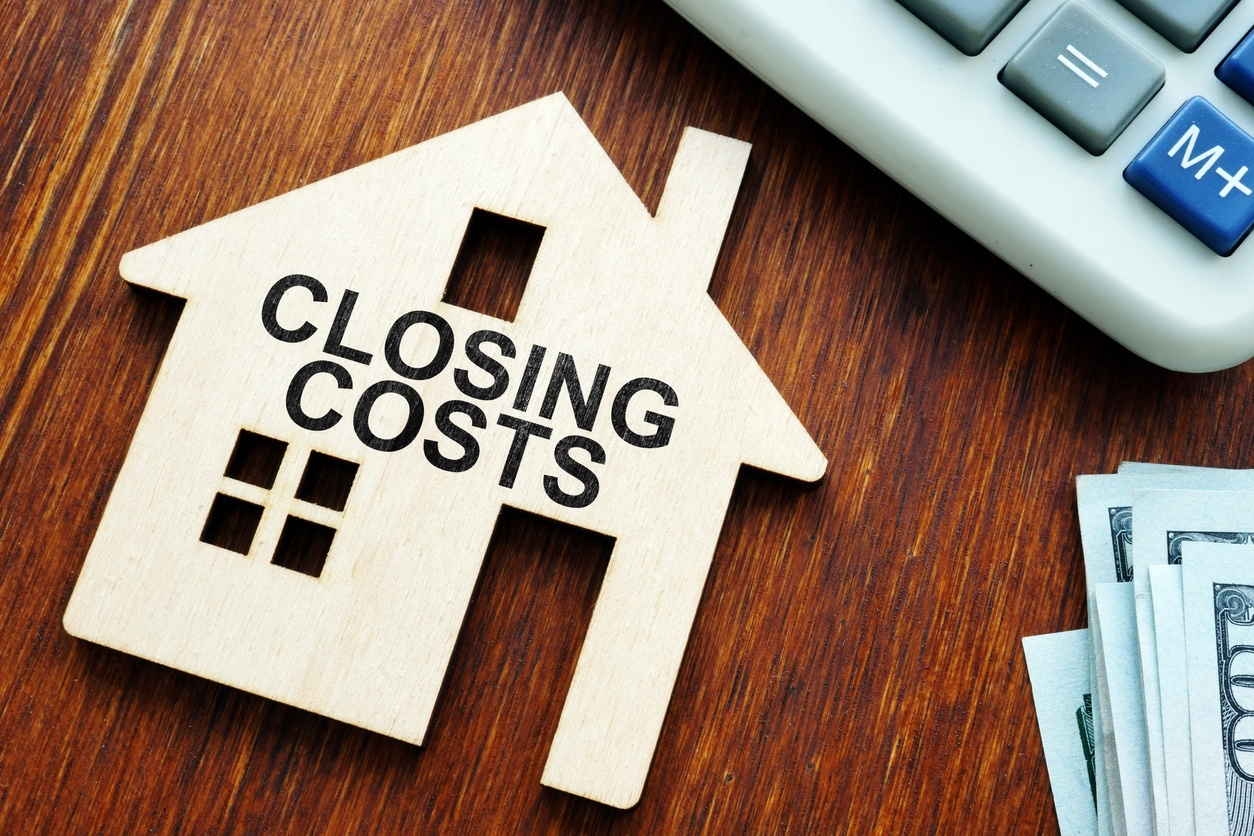
10. Closing Costs and Upfront Expenses Matter
The cost of buying a home doesn't start with your first mortgage payment.
Buyers may also need money for:
- Down payment
- Due diligence fee
- Earnest money deposit
- Inspections
- Appraisal
- Loan-related costs
- Attorney or closing costs
- Prepaid taxes and insurance
- Moving expenses
- Immediate repairs or improvements
North Carolina's real estate process also includes a due diligence period, during which buyers typically conduct inspections and investigate the property before deciding whether to proceed.
Understanding these upfront expenses can help you avoid stretching your budget too far just to get the keys.
11. Location Can Affect Your Total Cost
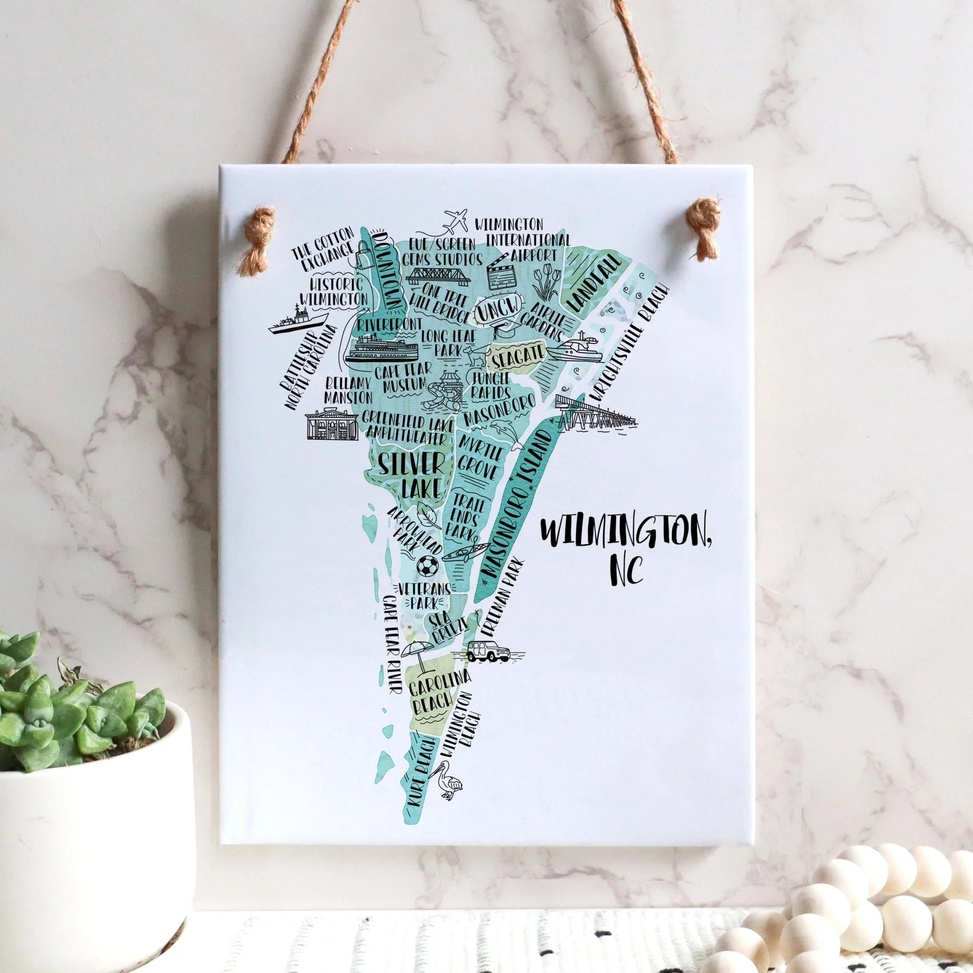
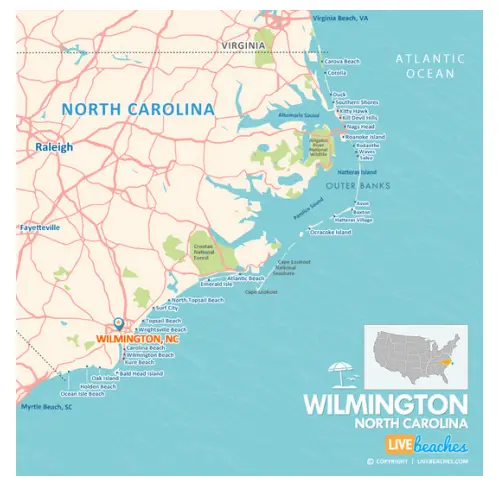
Where you buy in the Wilmington area can have a major effect on your overall cost of ownership.
A home near Wrightsville Beach may have a very different price and insurance profile than a home farther inland.
Likewise, homes in Downtown Wilmington, Midtown, Ogden, Porters Neck, Monkey Junction, RiverLights, Leland, or Hampstead can differ significantly in price, taxes, HOA costs, commute times, and maintenance requirements.
The cheapest home isn't always the least expensive home to own.
For example, a lower-priced property that requires extensive repairs, has high insurance costs, or comes with a long commute could cost more over time than a slightly more expensive property with lower ongoing expenses.
12. Don't Forget Long-Term Costs
When buying a home, think beyond the first year.
Will this home still work for me five or ten years from now?
Consider potential changes such as:
- Growing family
- Remote or in-office work
- School needs
- Future renovations
- Aging in place
- Resale value
- Neighborhood development
- Property taxes
- Insurance costs
A home should fit not only your current budget but also your longer-term financial and lifestyle goals.
How Much Should You Budget for Homeownership?
There isn't one universal number that works for every Wilmington homeowner.
Instead of asking,
"How much house can I afford?"
consider asking:
"How much will this specific property cost me every month and every year?"
A useful homeownership budget should include:
Mortgage + Property Taxes + Homeowners Insurance + Flood Insurance (if applicable) + HOA + Utilities + Maintenance + Other Property Expenses
This gives you a much more realistic picture of what owning the property could cost.
Final Thoughts
The true cost of owning a home in Wilmington NC is more than the purchase price.
Your mortgage may be your largest expense, but property taxes, insurance, flood considerations, HOA fees, utilities, maintenance, and unexpected repairs can significantly affect your overall budget.
The good news is that most of these expenses can be researched before you buy.
Before making an offer, look at the property's tax history, obtain an insurance quote, investigate flood risk, review HOA documents, schedule a professional inspection, and estimate your ongoing maintenance costs.
Most importantly, don't let the excitement of finding the perfect Wilmington home cause you to overlook the numbers.
The right home isn't simply one you can qualify for. It's one you can comfortably afford to own.
If you're considering buying a home or relocating to Wilmington, NC, researching the total cost of ownership can help you make a more confident decision.
For more information about Wilmington neighborhoods, local real estate, and relocating to the area, visit MovingWilmington.com.
Frequently Asked Questions
Is it expensive to own a home in Wilmington NC?
The cost varies widely depending on the home's price, location, insurance, taxes, HOA fees, size, age, and maintenance needs. Buyers should calculate the complete monthly and annual cost rather than looking only at the mortgage.
Is flood insurance required for homes in Wilmington NC?
Flood insurance requirements depend on the property's flood risk, location, lender requirements, and other factors. Buyers should check the specific property and discuss coverage with an insurance professional.
What are the biggest hidden costs of owning a home?
Some commonly overlooked costs include maintenance, repairs, homeowners insurance, flood insurance, HOA fees, property taxes, utilities, landscaping, and replacing major systems such as HVAC or roofing.
Should I buy a newer or older home in Wilmington?
It depends on your priorities. Newer homes may offer modern systems and fewer immediate repairs, while older homes may offer established neighborhoods, character, and desirable locations. A professional inspection is important regardless of the home's age.
What should I check before buying a home in Wilmington?
Buyers should investigate the property's condition, taxes, insurance, flood risk, HOA requirements, utilities, school assignment if applicable, neighborhood, and potential future maintenance costs before purchasing.
Categories
Recent Posts








GET MORE INFORMATION

Realtors Lic# #289408 | 309950