
Moving to Wilmington NC: The Complete Relocation Guide
Thinking about moving to Wilmington NC? Whether you're relocating for a new job, looking for a better quality of life, planning for retirement, or simply ready for a coastal lifestyle, Wilmington offers a unique combination of beach-town living, city conveniences, historic charm, and outdoor recreation.
But moving to a new city is about more than finding a house. You need to understand the neighborhoods, housing market, cost of living, traffic, weather, schools, insurance, and day-to-day lifestyle before making your move.
This complete relocation guide covers what you should know before moving to Wilmington, North Carolina.
This complete relocation guide covers what you should know before moving to Wilmington, North Carolina.
Wilmington has become an increasingly popular destination for people looking for coastal living without giving up access to restaurants, shopping, healthcare, entertainment, and employment opportunities.
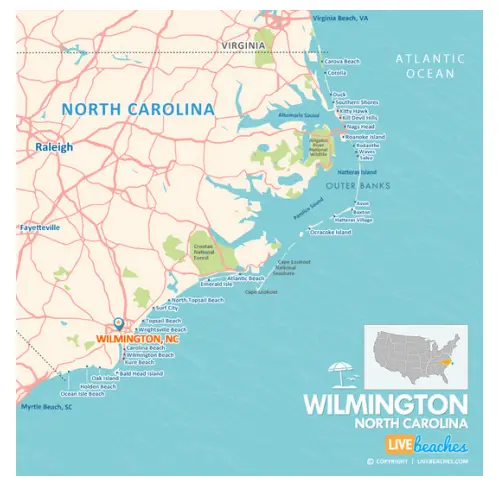
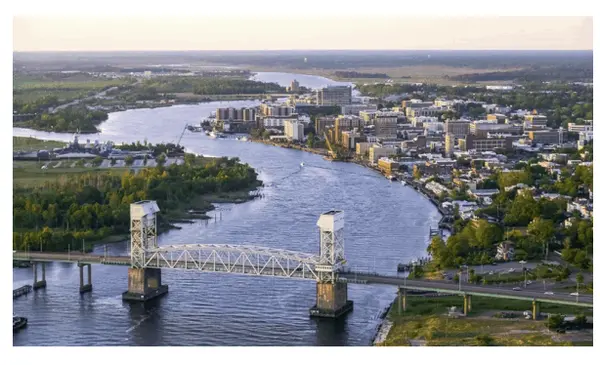
One of Wilmington's biggest advantages is its location. The city sits along the Cape Fear River and is just a short drive from several beaches, including Wrightsville Beach, Carolina Beach, and Kure Beach.
The area also offers a variety of lifestyles. You can live near historic Downtown Wilmington, choose a suburban neighborhood in Midtown or Ogden, look for a home closer to the beaches, or consider surrounding communities such as Leland and Hampstead.
For many people, that variety is one of the biggest reasons to consider relocating to Wilmington.
Understanding the Wilmington NC Area
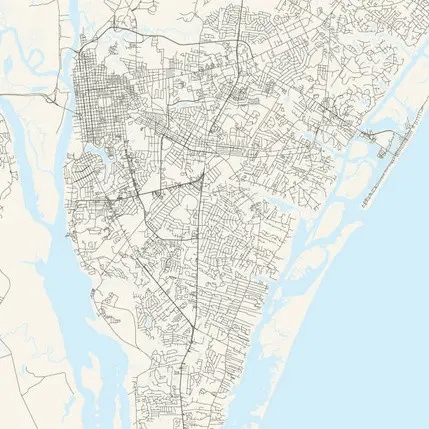
One of the first things to understand about moving to Wilmington NC is that "Wilmington" can mean more than the city itself. The greater Wilmington area includes several communities and municipalities, each with its own personality and advantages.
Downtown Wilmington
Downtown is known for its historic architecture, Cape Fear River views, restaurants, shops, galleries, and walkable streets. It can be a good option for people who enjoy being close to entertainment and want a more urban lifestyle.
Midtown Wilmington
Midtown provides convenient access to many parts of the area and is close to shopping, restaurants, medical facilities, and major roads. It is worth considering if you want a balance between convenience and residential living.
Ogden and Porters Neck
Northern Wilmington and the Porters Neck area offer a more suburban and residential environment. You'll find established neighborhoods, newer construction, golf communities, shopping, and convenient access toward Hampstead and the northern beaches.
Monkey Junction and South Wilmington
The southern part of Wilmington provides convenient access to Carolina Beach, Kure Beach, and surrounding communities. Monkey Junction is particularly attractive to buyers who want everyday shopping and services nearby while staying relatively close to the beaches.
Wrightsville Beach and Carolina Beach
If your priority is being close to the ocean, beach communities deserve serious consideration. Wrightsville Beach offers a more upscale coastal environment, while Carolina Beach has a relaxed beach-town atmosphere with its boardwalk, restaurants, events, and recreational activities. Housing availability, property types, insurance requirements, and pricing can vary significantly in these areas.
What Is the Cost of Living in Wilmington NC?
Before moving, create a realistic budget that goes beyond the purchase price or monthly rent.
Your Wilmington budget may include:
- Housing
- Property taxes
- Homeowners insurance
- Flood insurance, when applicable
- Utilities
- Transportation
- Groceries
- Healthcare
- HOA fees
- Maintenance
- Beach and coastal property upkeep
Housing costs can vary considerably depending on the
neighborhood, age of the home, lot size, proximity to the
water, and type of construction.
If you're moving from a more expensive metropolitan area, Wilmington may feel relatively affordable in some categories. However, don't assume that every property will be inexpensive simply because Wilmington is smaller than major cities.
Read our related guide to learn more about the [cost of living in Wilmington NC] before planning your move.
Buying a Home in Wilmington NC
If you're planning to purchase a home after relocating, start by determining what you actually need from the property.
Think about:
- How many bedrooms you need
- Your preferred neighborhood
- Commute time
- School assignment
- Proximity to beaches
- New construction vs. existing homes
- HOA requirements
- Flood exposure
- Home insurance costs
- Future resale potential
Getting pre-approved for a mortgage before seriously shopping can also help you understand your price range.
North Carolina's home-buying process also has specific considerations, including the due diligence period and due diligence fee. Buyers should understand these terms before making an offer and should consult the appropriate professionals for legal or financial advice.

For a more detailed explanation, read our Buying a Home in Wilmington NC: A Step-by-Step Guide.
Don't Ignore Flood Zones and Home Insurance
This is one of the most important considerations when moving to Wilmington.
Being near the coast doesn't automatically mean every property is in a high-risk flood zone. However, flood exposure can vary significantly from one property to another.
Before purchasing a home, investigate the property's specific flood-zone designation and ask your insurance professional about the coverage you may need.
You should also consider wind and storm-related risks when estimating your total cost of homeownership.
A home that looks affordable based solely on its listing price may have very different monthly or annual carrying costs once insurance, taxes, HOA fees, and maintenance are included.
What Is It Like Living in Wilmington NC?
Living in Wilmington offers a combination of coastal recreation and everyday city conveniences.
You can spend a morning at the beach, have lunch downtown, work from a local coffee shop, and enjoy dinner along the river — all without living in a major metropolitan area.
Outdoor activities are a major part of the lifestyle. Residents enjoy:
- Beaches
- Boating
- Fishing
- Kayaking
- Paddleboarding
- Parks
- Walking and biking
- Golf
- Riverfront activities
Wilmington also has a growing restaurant, arts, entertainment, and local-business scene.
At the same time, Wilmington isn't for everyone. Traffic can become frustrating during busy periods, particularly on major routes and bridges connecting different parts of the area.
If you're relocating from a large city, the pace may feel slower. If you're coming from a rural area, Wilmington may feel considerably busier.
Getting Around Wilmington
Before choosing a neighborhood, think about where you'll regularly need to go.
Your daily commute could involve roads such as:
- Market Street
- Oleander Drive
- College Road
- Carolina Beach Road
- Military Cutoff Road
- Eastwood Road
- Independence Boulevard
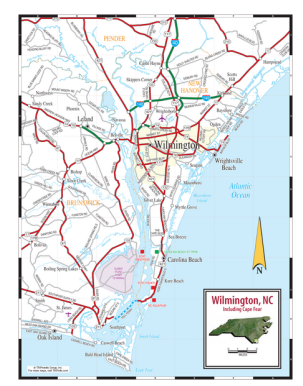
Your preferred neighborhood might look perfect on a map but feel very different during your actual commute.
If possible, visit Wilmington during the times you'll normally be traveling to work, school, shopping, or other regular destinations.
Schools and Families
Families moving to Wilmington should research schools before choosing a property.
School assignments can depend on the exact property address, so don't assume that two homes in the same general neighborhood attend the same schools.
If schools are an important part of your relocation decision, verify the current school assignment for the specific property and review the latest information from the appropriate school district.
It's also helpful to consider more than schools. Families should look at parks, recreation programs, childcare, commute times, healthcare, shopping, and access to activities for children.

Moving to Wilmington NC From Out of State
If you're coming from another state, there are a few additional things to consider.
Visit Before You Move
A weekend vacation isn't always enough to understand what it's like to live somewhere.
Try visiting different parts of Wilmington during a normal weekday. Drive the roads you'll use, tour neighborhoods, visit grocery stores, explore restaurants, and experience the areas outside the tourist season.
Rent Before Buying — If You're Unsure
If you aren't certain which part of Wilmington fits your lifestyle, renting for a year can be a useful strategy.
It gives you time to learn the area before making a major real estate purchase.
Prepare for Coastal Weather
Wilmington's coastal location means residents need to be prepared for tropical weather and storms.
When buying a home, ask questions about the property's age, roof, windows, HVAC system, drainage, previous storm damage, and maintenance history.
How Much Should You Budget for Moving?
Your relocation budget should include more than moving-company expenses.
Consider:
- Movers or moving truck
- Temporary housing
- Security deposit
- Closing costs
- Inspection expenses
- Travel
- Storage
- Utility deposits
- Home repairs
- Furniture
- Insurance
- Emergency savings
If you're purchasing a home, keeping additional cash available after closing can be especially important. Unexpected repairs and maintenance are much easier to handle when they're already included in your relocation budget.
A Wilmington NC Relocation Checklist
Before moving, work through this checklist:
6–12 months before moving
- Research Wilmington neighborhoods
- Establish your relocation budget
- Research employment opportunities
- Review housing prices
- Visit Wilmington
- Narrow down preferred areas
3–6 months before moving
- Talk with a lender if purchasing
- Research homes or rentals
- Compare insurance costs
- Research schools if applicable
- Choose a moving company
- Begin organizing belongings
1–3 months before moving
- Finalize housing
- Schedule movers
- Transfer utilities
- Update your address
- Arrange insurance
- Organize important documents
After arriving
- Update your driver's license and vehicle information as required
- Explore your neighborhood
- Find local healthcare providers
- Locate grocery stores and essential services
- Learn your commute
- Get involved in the community
Common Mistakes to Avoid When Moving to Wilmington
Relocating can be exciting, but rushing the process can lead to expensive mistakes.
Some common mistakes include:
- Choosing a neighborhood without visiting it.
- Focusing only on the home's listing price.
- Ignoring flood and insurance considerations.
- Underestimating commute times.
- Assuming every coastal property has the same risks.
- Skipping a professional home inspection.
- Making a purchase before understanding the local market.
- Choosing a home based only on proximity to the beach.
- Forgetting about HOA fees and restrictions.
- Not considering your long-term needs.
The right home isn't necessarily the one closest to the beach or the one with the lowest asking price. It's the property and location that fit your lifestyle, budget, and future plans.
Is Wilmington NC a Good Place to Move?
For many people, yes.
Wilmington offers coastal access, outdoor recreation, historic character, restaurants, shopping, healthcare, employment opportunities, and a variety of residential communities.
But the right question isn't simply whether Wilmington is a good place to live.
The better question is: Which part of Wilmington is right for you?
A young professional may have completely different priorities than a growing family, retiree, remote worker, or investor.
That's why researching neighborhoods and visiting the area before making a decision is so important.

Frequently Asked Questions About Moving to Wilmington NC
How much money do I need to move to Wilmington NC?
There isn't one number that works for everyone. Your budget will depend on housing, transportation, employment, family size, lifestyle, and whether you're renting or buying.
What are the best neighborhoods in Wilmington NC?
Popular areas include Downtown Wilmington, Midtown, Ogden, Porters Neck, Masonboro, Monkey Junction, and communities near the beaches. The best area depends on your priorities, budget, commute, and lifestyle.
Is Wilmington NC good for families?
Wilmington can be a great option for families looking for coastal living, recreational activities, neighborhoods, and access to schools and everyday amenities. Families should research the exact school assignment and neighborhood before purchasing.
Is Wilmington NC expensive?
Wilmington's cost of living depends heavily on housing and location. Properties near the beach or in highly desirable neighborhoods can have significantly different costs than homes farther inland.
Should I rent or buy when moving to Wilmington?
If you already know the area and are financially prepared, buying may make sense. If you're unfamiliar with Wilmington, renting first can give you time to learn the neighborhoods before purchasing.
Final Thoughts on Moving to Wilmington NC
Moving to Wilmington NC can be an exciting opportunity to enjoy a coastal lifestyle while still having access to many of the conveniences of a growing city.
The key is to avoid treating Wilmington as one single market. Neighborhoods can feel completely different, and factors such as commute, flood exposure, insurance, schools, housing costs, and lifestyle can dramatically change which location makes sense for you.
Take your time, visit different areas, understand the true cost of homeownership, and research the property carefully before making a decision.
Whether you're moving from another state, relocating within North Carolina, or simply looking for a better place to call home, Wilmington deserves a closer look.
If you're researching the area, continue exploring our Wilmington relocation guides for information about neighborhoods, housing, cost of living, and the homebuying process.
Categories
Recent Posts









GET MORE INFORMATION

Realtors Lic# #289408 | 309950