
First-Time Home Buyer Guide to Wilmington NC
First-Time Home Buyer Guide to Wilmington NC
Buying your first home is exciting, but it can also feel overwhelming — especially when you're unfamiliar with the local real estate market. If you're a first-time home buyer in Wilmington NC, understanding the local neighborhoods, costs, home-buying process, and coastal considerations can help you make a more informed decision.
Wilmington offers a wide range of housing options, from historic homes and established neighborhoods to new construction communities and properties closer to the beach. But before you start touring homes, there are several important things you should know.
This First-Time Home Buyer Guide to Wilmington NC walks you through the process from preparing your finances to getting the keys to your new home.

1. Determine How Much Home You Can Afford
The first step is understanding your budget.
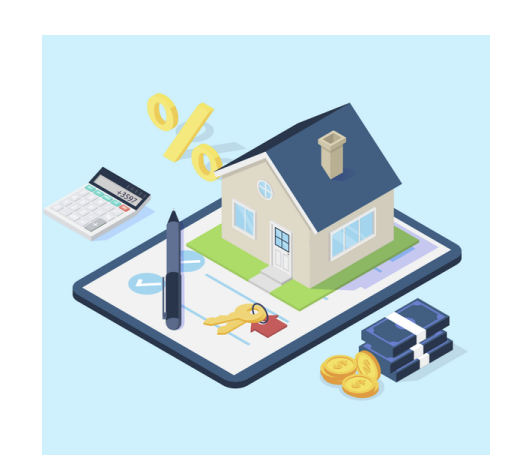
Your maximum home price isn't necessarily the same as the monthly payment you're comfortable with. When calculating your budget, consider more than just the mortgage.
Your total monthly housing costs may include:
- Principal and interest
- Property taxes
- Homeowners insurance
- Flood insurance, if required or recommended
- HOA fees
- Mortgage insurance
- Utilities
- Maintenance and repairs
It's a good idea to review your income, savings, monthly expenses, and existing debt before determining your price range.
Don't forget about upfront expenses either. First-time buyers may need money for the down payment, inspections, appraisal, closing costs, moving expenses, and other costs associated with purchasing a home.
2. Save for Your Down Payment and Closing Costs
You don't necessarily need a 20% down payment to buy a home.
Depending on your loan program and financial situation, there may be mortgage options that allow for a smaller down payment. Minimum FHA down payment is 3% down and Conventional down payment is 5% down.
However, putting less money down can affect your monthly payment and may result in mortgage insurance.
You'll also want to budget for closing-related expenses.
Before shopping seriously, talk with a qualified mortgage lender about available loan programs and ask for a realistic estimate of the cash you'll need to purchase a home.

3. Get Pre-Approved Before Looking at Homes
One of the smartest things a first-time buyer can do is get pre-approved before beginning the home search.
A pre-approval can help:
- Understand your price range
- Estimate your monthly payment
- Identify potential financing issues early
- Make your offer more competitive
- Shop for homes with greater confidence
It also prevents you from spending time looking at homes that aren't realistic for your budget.
Remember that a lender's maximum approval amount doesn't necessarily mean you should spend that much.
Your personal budget should determine how much you're comfortable paying each month.
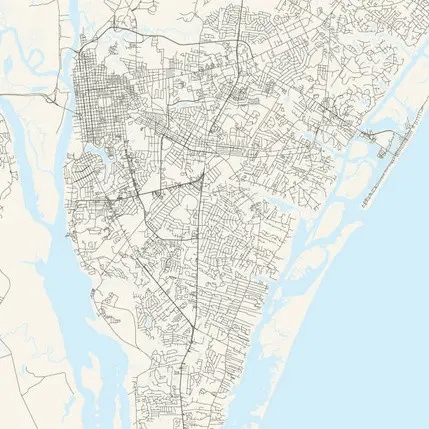
4. Learn the Wilmington NC Neighborhoods
Wilmington isn't one-size-fits-all. Different parts of the area offer different lifestyles, price points, commute patterns, and housing options.
Downtown Wilmington
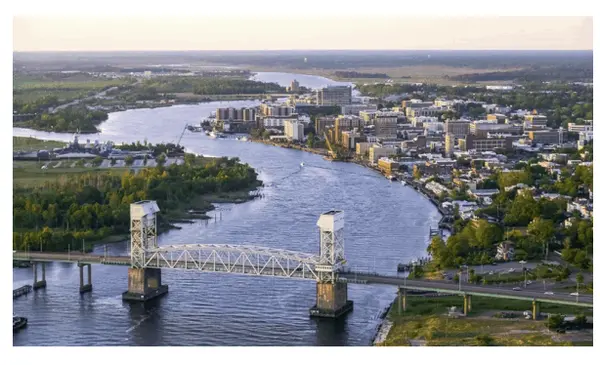
Downtown can appeal to buyers who enjoy historic architecture, restaurants, entertainment, the Riverwalk, and being close to the Cape Fear River.
Midtown
Midtown offers convenient access to shopping, restaurants, healthcare, employment centers, and major roads. It can be a good choice for buyers who want convenience without necessarily living downtown.
Ogden
Ogden offers a more suburban environment with established neighborhoods, newer homes, shopping, and access toward northern Wilmington.
Monkey Junction
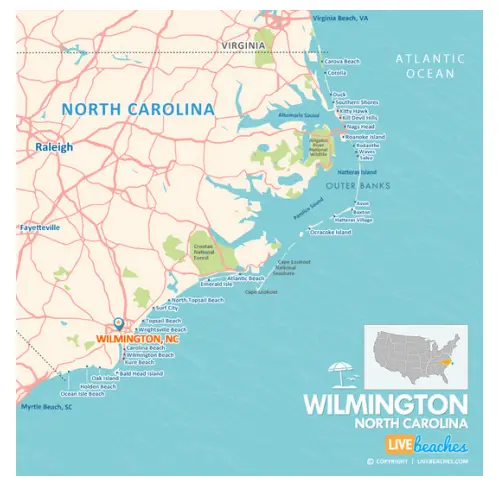
Located in southern Wilmington, Monkey Junction offers convenient shopping and access toward Carolina Beach and Kure Beach.
Masonboro
Masonboro includes established residential areas and offers convenient access to the Intracoastal Waterway and beaches.
Porters Neck
Porters Neck is popular with buyers looking for a more suburban or upscale coastal lifestyle, with golf communities, shopping, and newer housing options.
Nearby Communities
First-time buyers should also consider communities outside Wilmington itself, including Leland and Hampstead.
Depending on your budget and lifestyle, expanding your search area can give you more housing options.
5. Think About Your Commute
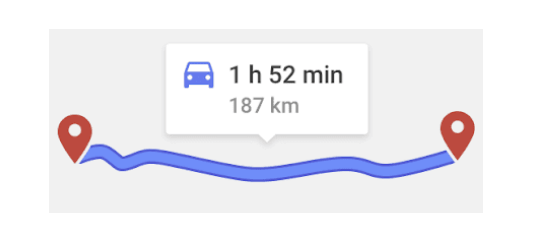
A home can look perfect online and still become frustrating if your daily commute doesn't work.
Before making an offer, consider how long it takes to reach:
- Work
- School
- Grocery stores
- Healthcare
- Family
- Restaurants
- Beaches
- Major highways
Traffic patterns can vary depending on the time of day, so consider testing your potential commute during normal working hours.
For first-time buyers, choosing the right location can be just as important as choosing the right house.
6. Understand Wilmington's Coastal Considerations
Buying a home in Wilmington comes with considerations you might not encounter in other parts of North Carolina.
Flood risk is one of them.
Not every Wilmington property is in the same flood-risk category, and proximity to the coast doesn't automatically tell you everything about a property's individual risk.
Before purchasing, investigate the property's flood-zone designation and speak with an insurance professional about homeowners and flood insurance requirements.
You should also pay attention to:
- Roof age and condition
- HVAC age
- Windows and doors
- Drainage
- Foundation
- Previous storm damage
- Water intrusion
- Landscaping and grading
- Exterior maintenance
For a first-time buyer, understanding these issues before making an offer can prevent unpleasant surprises later.
7. Understand Property Taxes and Insurance
When calculating affordability, don't focus only on the mortgage payment.
Property taxes and insurance can have a meaningful impact on your monthly housing costs.
Insurance costs can also vary depending on the property's location, construction, age, elevation, roof, flood exposure, and other factors.
Before purchasing a home, ask your lender and insurance provider for realistic estimates based on the specific property you're considering.
This is especially important when comparing homes in different parts of the Wilmington area.
8. Know the North Carolina Home-Buying Process
North Carolina has some terminology and procedures that first-time buyers should understand.
One of the most important concepts is due diligence.
The due diligence period gives a buyer time to investigate the property and make decisions before moving forward with the purchase.
During this period, buyers may arrange inspections, review documents, investigate financing, evaluate insurance, and perform other necessary research.
North Carolina transactions may also involve a due diligence fee, which is negotiated as part of the offer.
Because real estate contracts can have significant legal and financial consequences, first-time buyers should work with qualified real estate and legal professionals to understand their specific transaction.
9. Don't Skip the Home Inspection
Even if a home looks perfect, you don't know everything about it from a showing.
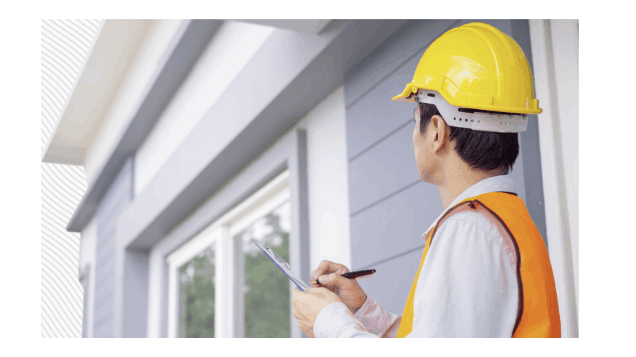
A professional home inspection can identify potential problems that aren't immediately visible.
Depending on the property, you may want to pay particular attention to:
- Roof
- HVAC
- Plumbing
- Electrical systems
- Foundation
- Crawl space
- Moisture
- Windows
- Appliances
- Drainage
- Structural components
Older homes may require additional attention, while newer construction doesn't automatically mean there are no defects.
Your inspection strategy should be based on the specific property.
10. Consider the Long-Term Costs of the Home
First-time buyers sometimes focus heavily on whether they can afford the purchase today.
But you should also ask whether you'll be comfortable owning the property several years from now.
Think about:
- Future repairs
- Maintenance
- Property taxes
- Insurance
- HOA fees
- Utilities
- Commute
- Neighborhood changes
- Resale potential
For example, a large house may fit your budget but cost significantly more to maintain than a smaller property.
A lower-priced home may also require more immediate repairs.
Look at the total cost of ownership rather than simply the listing price.
11. Decide Between New Construction and Existing Homes
New Construction
Potential advantages include:
- Modern layouts
- New appliances
- New systems
- Energy-efficient features
- Builder warranties
However, buyers should still perform appropriate inspections and carefully review the builder's contract, included features, HOA information, and estimated completion dates.
Existing Homes
Existing homes may offer:
- Established landscaping
- Mature neighborhoods
- Larger lots in some areas
- Unique architectural styles
- More location choices
But they may also require more maintenance depending on their age and condition.
Neither option is automatically better. The right choice depends on your budget and priorities.
12. Make a Smart Offer
Once you've found the right home, it's time to make an offer.
Your offer may involve more than just the purchase price.
Depending on the situation, your real estate professional can help you evaluate factors such as:
- Purchase price
- Due diligence fee
- Earnest money
- Due diligence period
- Closing date
- Financing terms
- Included items
- Seller concessions, when applicable
A competitive offer should reflect both the property and the current market.
Don't assume that the highest possible offer is always the best strategy. Your financial comfort and the terms of the transaction matter too.
13. Prepare for Closing
After your offer is accepted, there is still work to do.
During the period leading to closing, you'll typically need to work through financing, inspections, appraisal, title-related matters, insurance, and other transaction requirements.
Stay responsive to your lender and other professionals involved in the transaction.
Before closing, you'll also want to make sure your financing is in order and that you understand the final costs.
Your closing attorney and other professionals can explain the documents and requirements specific to your transaction.
First-Time Home Buyer Checklist
Here's a simple checklist to help you stay organized:
Before Shopping
- Review your finances
- Check your credit
- Save for your purchase
- Research loan programs
- Get mortgage pre-approved
- Determine your monthly budget
- Research Wilmington neighborhoods
While Shopping
- Compare properties
- Consider commute times
- Research taxes and insurance
- Check flood information
- Compare HOA costs
- Look beyond cosmetic features
- Think about long-term needs
After Finding a Home
- Review comparable properties
- Make an informed offer
- Understand due diligence
- Schedule inspections
- Complete financing requirements
- Review insurance
- Stay in communication with your professionals
Before Closing
- Complete final lender requirements
- Review closing information
- Confirm insurance
- Complete the final walkthrough
- Review documents with the appropriate professionals
- Prepare funds required for closing
Common First-Time Home Buyer Mistakes in Wilmington NC
Buying your first home is a major financial decision. Avoid these common mistakes:
Buying Based Only on the Listing Price
A home's asking price doesn't tell you the complete cost of ownership.
Ignoring Insurance
Coastal properties can have insurance considerations that significantly affect your budget.
Choosing a Home Before Choosing a Location
A beautiful house isn't worth much if the location doesn't fit your daily life.
Skipping Inspections
Never assume a home is problem-free because it looks well maintained.
Using Every Dollar of Your Savings
Homeownership comes with unexpected expenses. Keeping an emergency fund is important.
Falling in Love With the House Too Quickly
It's easy to become emotionally attached during a home search. Try to evaluate the property objectively.
Frequently Asked Questions
How much should a first-time home buyer put down in Wilmington NC?
There isn't one required amount for every buyer. Down-payment requirements vary depending on the mortgage program and the buyer's financial situation. Speak with a qualified lender to understand your options.
Is Wilmington NC a good place for first-time home buyers?
Wilmington offers a variety of housing options and neighborhoods, which can give first-time buyers flexibility. However, buyers should carefully compare housing costs, insurance, taxes, commute, and neighborhood characteristics.
Should I buy a home near the beach as a first-time buyer?
It depends on your budget and lifestyle. Beach-area properties can offer an appealing coastal lifestyle, but buyers should carefully evaluate insurance, flood exposure, maintenance, and property costs.
Do first-time buyers need a real estate agent?
You can research homes independently, but working with a knowledgeable local real estate professional can help you understand the local market, neighborhoods, contracts, negotiations, and transaction process.
What should I look for when buying my first home in Wilmington?
Look beyond the home's appearance. Consider location, flood exposure, insurance, taxes, HOA restrictions, property condition, commute, schools if applicable, and long-term affordability.
Final Thoughts
Buying your first home in Wilmington NC doesn't have to be overwhelming.
The key is preparation.
Start with your finances, get pre-approved, research neighborhoods, understand the total cost of homeownership, and carefully investigate any property before committing.
Most importantly, don't feel pressured to buy the first home you see. Take time to understand what you actually need and how different Wilmington neighborhoods fit your lifestyle.
With the right preparation and professional guidance, buying your first home can be the beginning of an exciting new chapter in Wilmington, North Carolina.
For more information about Wilmington neighborhoods, local real estate, and relocating to the area, visit MovingWilmington.com.
Categories
Recent Posts








GET MORE INFORMATION

Realtors Lic# #289408 | 309950