
Moving to Wilmington NC From Out of State: What to Expect
Thinking about moving to Wilmington, NC, from out of state? You're not alone. Wilmington attracts people from across the country who are looking for a coastal lifestyle, warmer weather, outdoor recreation, and a community that offers more space and a slower pace than many larger metropolitan areas.
But relocating to Wilmington from another state requires more than packing your belongings and finding a house. The area has its own traffic patterns, neighborhoods, weather considerations, housing costs, and way of life.
Here's what you should know before making your move.
1. Wilmington Feels Like a Coastal City—But It's Not Just a Beach Town
One of the first things you'll notice is that Wilmington offers much more than beach access.
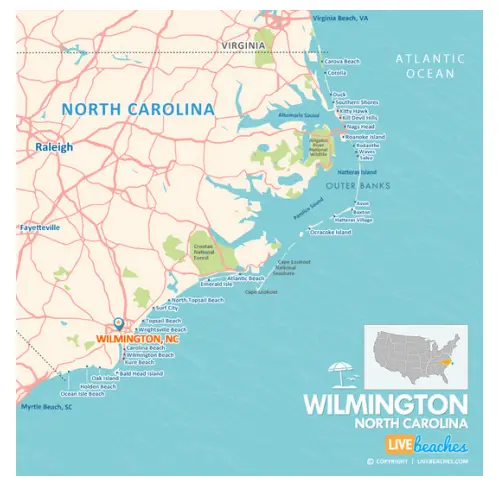
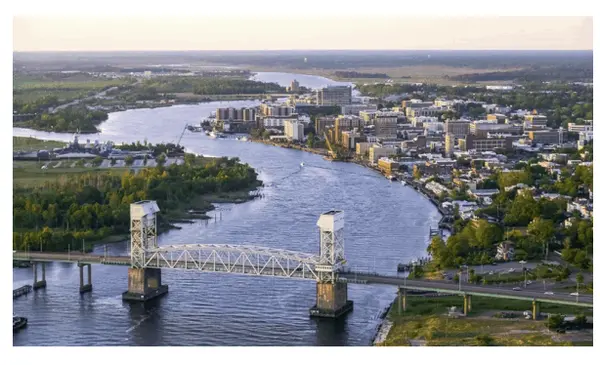
The city combines historic neighborhoods, suburban communities, shopping centers, restaurants, medical facilities, schools, businesses, and outdoor recreation. Downtown Wilmington sits along the Cape Fear River, while Wrightsville Beach, Carolina Beach, and Kure Beach provide different coastal experiences nearby.
This means you can enjoy the beach without necessarily having to live directly on the coast.
For many people moving from out of state, this is one of Wilmington's biggest advantages: you can choose a lifestyle that ranges from urban and historic to suburban and coastal.

2. Your Neighborhood Will Make a Big Difference
Don't choose a home based only on its listing photos.
Wilmington-area communities can feel dramatically different depending on where you live.
Downtown Wilmington is ideal for people who enjoy historic architecture, restaurants, entertainment, and a more walkable environment.
Midtown offers central access to shopping, healthcare, UNCW, Downtown, and the beaches.
Ogden and North Wilmington are popular with buyers
looking for suburban neighborhoods, newer homes, and
access toward Wrightsville Beach.
Monkey Junction and South Wilmington can be convenient for people who frequently travel toward Carolina Beach and Kure Beach.
You can also look outside Wilmington at communities such as Leland, Hampstead, and Castle Hayne.
Before moving, make a list of the places you'll visit most often and choose your location around your actual routine.
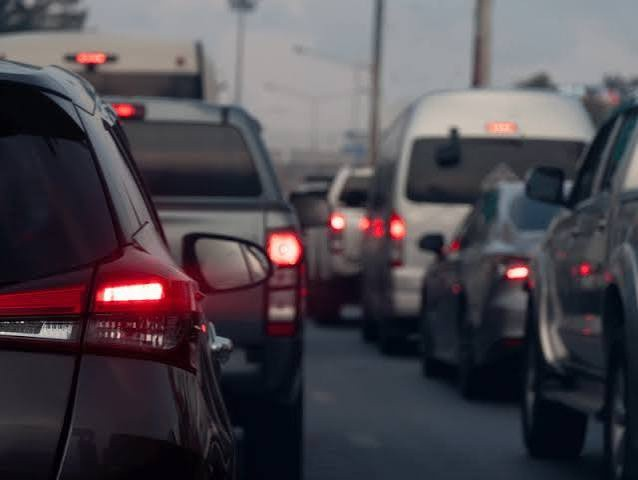
3. Prepare for Wilmington Traffic
If you're relocating from a larger city, Wilmington traffic may not seem particularly intimidating at first.
But you'll quickly learn that certain roads can become congested, particularly during commuting hours and busy beach seasons.
Market Street, College Road, Carolina Beach Road, Oleander Drive, and other major corridors can experience significant traffic.
If you're considering living outside Wilmington, test the commute before buying.
For example, living in Leland may provide access to newer communities and additional housing options, but crossing the Cape Fear River becomes part of your daily routine if you work in Wilmington.
4. Coastal Weather Requires Some Preparation
Moving to the North Carolina coast means becoming familiar with hurricanes, tropical storms, heavy rain, humidity, and strong winds.
That doesn't mean every year brings a major storm to Wilmington, but coastal residents should have a plan.
When buying a home, pay attention to the property's roof, windows, drainage, landscaping, HVAC system, and overall maintenance history.
You should also understand your insurance coverage before purchasing.
5. Don't Overlook Flood Zones and Insurance
Flood risk is one of the most important issues for out-of-state buyers to understand.
A property doesn't have to be directly beside the ocean to have flood considerations. Flood exposure can vary depending on location, elevation, drainage, and proximity to waterways.
Before purchasing, research the property's flood zone and obtain insurance quotes.
The City of Wilmington provides resources related to flood zones and flood insurance maps, while New Hanover County also provides property and geographic information that can help buyers research an address.
Don't wait until you're under contract to discover that insurance costs significantly change your monthly housing budget.
6. Housing Costs Go Beyond the Listing Price
When comparing Wilmington with your current state, don't look only at home prices.
Your total housing expense may include:
- Mortgage payment
- Property taxes
- Homeowners insurance
- Flood insurance
- HOA fees
- Utilities
- Maintenance
- Closing costs
- Commuting expenses
Two homes with similar purchase prices can have very different monthly costs depending on their location, age, insurance requirements, and community fees.
7. North Carolina Has Its Own Home-Buying Process
If you're coming from another state, don't assume the real estate process works exactly the same way.
North Carolina transactions include a due diligence period, during which buyers typically investigate the property and transaction through inspections, financing, title work, appraisal, surveys, and other research.
Understanding the due diligence fee, due diligence period, earnest money, and other contract terms is important before submitting an offer.
Your real estate agent, lender, and closing attorney can explain how these elements apply to your specific transaction.
8. You May Want to Rent Before Buying
If you've never lived in Wilmington, renting for several months can be a smart strategy.
It gives you an opportunity to experience the area rather than relying entirely on a vacation visit.
You'll learn what traffic is really like, which grocery stores you prefer, how far you want to drive to the beach, and whether you prefer Downtown, Midtown, North Wilmington, or one of the surrounding communities.
This can be especially valuable for people relocating from another state who don't yet know the area.
9. Expect a Different Pace of Life
One of Wilmington's biggest attractions is its lifestyle.
People move here for access to beaches, boating, fishing, parks, outdoor recreation, restaurants, events, and a generally more relaxed coastal atmosphere.
But the slower pace doesn't mean the area is isolated.
Wilmington has a growing population, expanding residential areas, local businesses, healthcare services, universities, and a variety of employment opportunities.
The experience can be a good middle ground for people who want access to city conveniences without living in a major metropolitan area.
10. Visit Before You Commit
If possible, visit Wilmington more than once before making your move.
Don't spend the entire trip at the beach.
Instead, spend time doing normal everyday activities.
Drive to potential neighborhoods during rush hour. Visit grocery stores. Explore restaurants. Check out Downtown. Visit the beaches. Tour homes. Look at surrounding communities.
If you are moving with children, research school assignments and visit the areas you're considering.
The more your visit resembles your future daily life, the easier it will be to determine whether Wilmington is the right fit.
What Should You Do Before Moving to Wilmington NC?
A successful out-of-state move starts with research.
Before packing, create a Wilmington relocation checklist:
✓ Establish your housing budget
✓ Get mortgage pre-approved if buying
✓ Research Wilmington neighborhoods
✓ Compare surrounding communities
✓ Test your potential commute
✓ Research flood zones
✓ Get homeowners insurance quotes
✓ Understand North Carolina's buying process
✓ Research schools if applicable
✓ Visit Wilmington before making a final decision
✓ Budget for moving and closing expenses

Taking these steps can prevent expensive surprises after you arrive.
Is Wilmington NC a Good Place to Move to From Another State?
For many people, Wilmington offers an attractive combination of coastal living, outdoor recreation, neighborhoods with different lifestyles, and access to everyday amenities.
But Wilmington isn't necessarily the right fit for everyone.
The best way to determine whether it works for you is to look beyond the beaches and understand what everyday life will actually be like.
Consider your budget, commute, preferred neighborhood, insurance costs, housing needs, and long-term goals.
Make Your Move to Wilmington With a Local Plan
Moving to Wilmington NC from out of state can be a major transition, but it doesn't have to be overwhelming.
The key is to research the area before you make a commitment. Understand the neighborhoods, visit during normal weekdays, compare housing costs, research coastal considerations, and make sure your new location fits the way you actually want to live.
Whether you're considering Downtown Wilmington, Midtown, Ogden, North Wilmington, Monkey Junction, Leland, Hampstead, or one of the nearby beach communities, taking the time to understand the area can help you make a much more confident decision.
For more information about Wilmington neighborhoods, local real estate, and relocating to the area, visit MovingWilmington.com.
Frequently Asked Questions
Is Wilmington NC a good place to move from out of state?
Wilmington can be a strong choice for people seeking coastal living, outdoor recreation, a variety of neighborhoods, and access to city amenities without living in a major metropolitan area. Your experience will depend heavily on choosing the right neighborhood for your lifestyle and budget.
What should I know before moving to Wilmington NC?
Research neighborhoods, traffic, housing costs, insurance, flood zones, coastal weather, schools, and commuting distances before moving. Visiting the area during normal weekdays can also give you a better understanding of everyday life.
What areas should I consider when moving to Wilmington?
Popular areas include Downtown Wilmington, Midtown, Ogden, North Wilmington, Monkey Junction, Masonboro, and Porters Neck. Nearby communities such as Leland, Hampstead, Carolina Beach, and Kure Beach may also be worth considering.
Should I rent before buying a home in Wilmington?
If you've never lived in the Wilmington area, renting first can help you learn the neighborhoods and traffic patterns before making a long-term purchase. This can be particularly useful for out-of-state relocations.
Is Wilmington expensive compared with other cities?
The answer depends on where you're moving from and which Wilmington-area community you choose. Instead of comparing only home prices, consider the complete cost of living, including housing, insurance, property taxes, utilities, transportation, and maintenance.
What is the biggest mistake out-of-state buyers make?
One of the most common mistakes is choosing a home based on a short vacation visit without experiencing the area during normal working days. A neighborhood that looks perfect on a weekend may have a very different commute or traffic pattern during the week.
Categories
Recent Posts








GET MORE INFORMATION

Realtors Lic# #289408 | 309950